
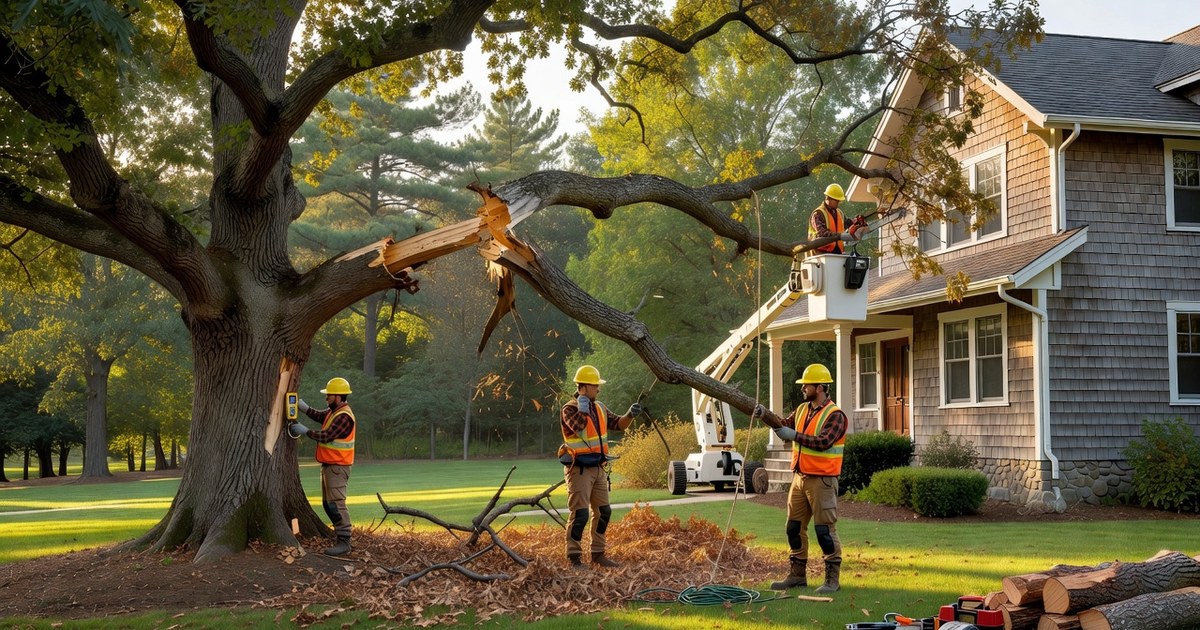

Maintaining a safe, healthy, and visually appealing property requires consistent attention to outdoor landscaping and structural surroundings. While mature trees provide valuable shade, natural beauty, and environmental benefits, they can also present significant safety risks if left unmanaged. In regions with volatile weather, severe seasonal storms, and sandy soil conditions, routine property inspections and proactive tree management are essential for preserving home values and preventing catastrophic structural damage.
Over time, various environmental stressors—such as intense summer heat, torrential downpours, pest infestations, and fungal diseases—can compromise the internal integrity of large trees. When decay sets in, branches become brittle, root systems weaken, and the risk of unexpected tree failure escalates drastically. Property owners who recognize early warning signs are far better equipped to address hazards before severe weather turns vulnerable trees into dangerous liabilities.
Recognizing Critical Signs of Hazardous Trees
Homeowners often overlook the subtle indicators of compromised tree health until visible damage occurs. Regular visual checks can reveal developing problems that warrant immediate attention from certified arboricultural specialists. Key warning signs include:
- Severe Trunk Lean: While some trees naturally grow at an angle, a sudden or progressive lean—especially when accompanied by cracked soil or exposed root plates—indicates imminent root failure.
- Dead or Hanging Limbs: Large, leafless branches (often referred to as widow-makers) can detach unpredictably during moderate winds, endangering people and structures below.
- Visible Decay and Cavities: Deep hollows, peeling bark, fungal brackets, or mushroom growth near the base of the trunk frequently signal extensive internal wood rot.
- Cracked or Splitting Trunks: Deep vertical fissures or V-shaped branch unions indicate structural weakness under heavy canopy load stress.
- Root Disturbance: Nearby construction, excavation, trenching, or severe soil erosion can sever critical anchoring roots, compromising overall stability.
The Impact of Severe Storms and Weather Extremes
Extreme weather events place tremendous dynamic loads on mature canopies. Saturated ground loosens root grip, while high-velocity wind gusts exert immense torque on weakened trunks and heavy branches. Trees with compromised root systems or dense, unpruned canopies are the first to succumb during major tropical systems and summer thunderstorms. When heavy limbs or entire trees fall, they can puncture roofs, demolish perimeter fencing, crush vehicles, and sever overhead utility lines, resulting in costly emergency repairs and hazardous power outages.
Preventative risk mitigation through seasonal pruning, crown thinning, and hazardous limb removal is considerably safer and more cost-effective than managing post-storm destruction. By eliminating deadwood and reducing wind resistance before storm seasons peak, property owners dramatically minimize potential property losses.
Why Safe Removal Requires Specialized Expertise
Attempting to cut down large or compromised trees without proper rigging equipment, specialized training, and rigorous safety protocols is exceptionally hazardous. Tree felling in residential or commercial settings requires precise physics calculations, directional notch cutting, complex roping techniques, and heavy machinery like aerial lifts, cranes, and commercial wood chippers.
For property owners managing aging oak stands, towering pine varieties, or hurricane-damaged palms, partnering with certified specialists in professional tree removal in Central Florida ensures that hazardous specimens are dismantled safely without endangering nearby structures, fences, or underground utilities. Experienced crews conduct thorough site evaluations, establish controlled drop zones, and follow strict industry safety standards from initial cutting through complete stump grinding and site cleanup.
Long-Term Benefits of Responsible Landscape Management
Proactive tree care delivers lasting advantages that extend far beyond immediate storm defense. Removing structurally unsound or diseased trees eliminates competition for soil nutrients and moisture, allowing surrounding turf, ornamental plants, and healthy canopy trees to flourish. Furthermore, clearing hazardous overhangs increases natural sunlight across lawns and eliminates damp microclimates that foster roof moss, mold, and siding rot.
Taking a structured, proactive approach to landscape safety safeguards your family, protects your investment, and keeps your outdoor living spaces vibrant and secure throughout every season of the year.